Let’s stop talking about “wine”
Talking about “wine” as if it were a single product is a basic conceptual mistake.
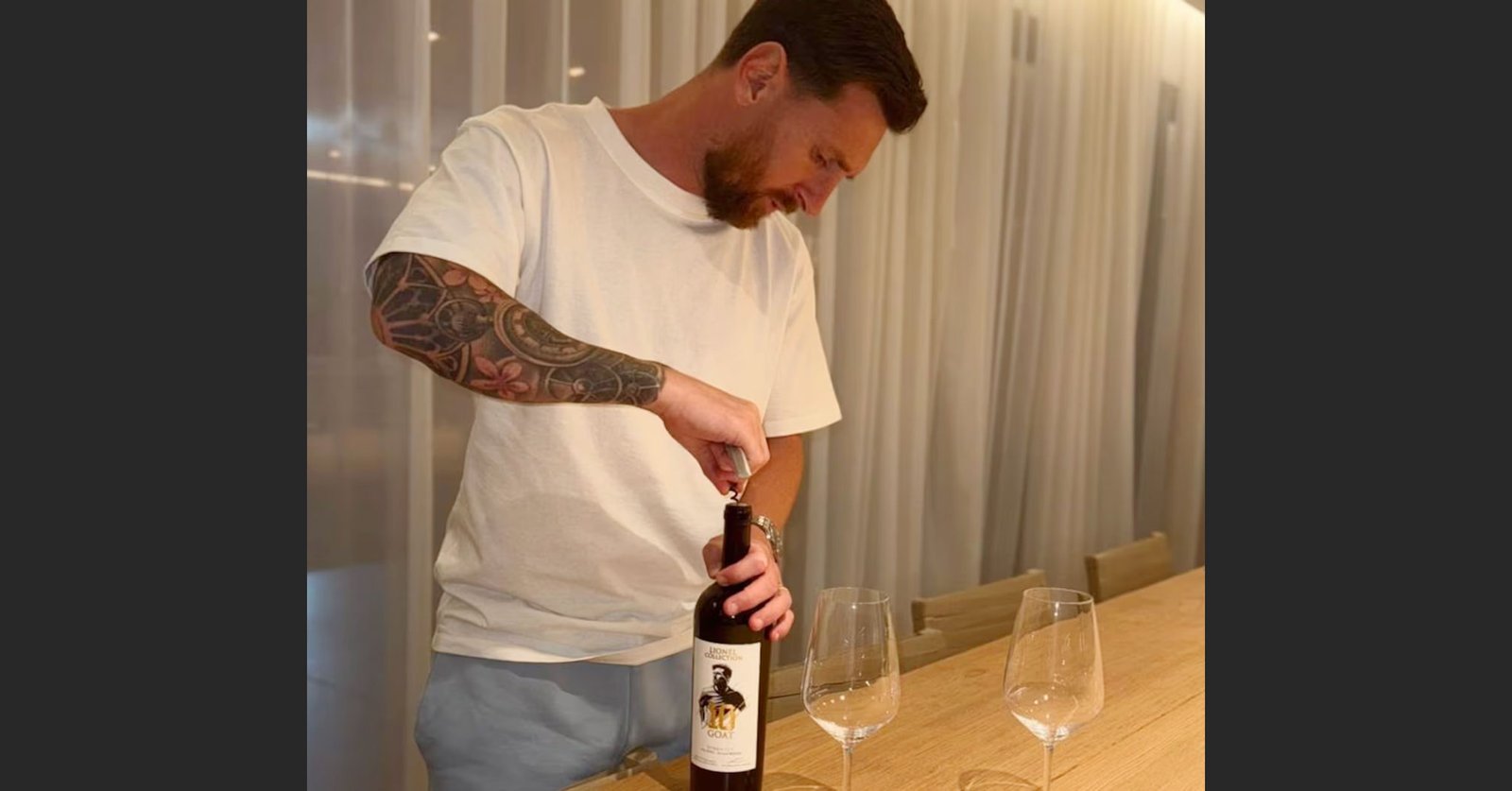
In recent days, starting from a statement as simple as it was unexpected —Lionel Messi saying he usually drinks wine with Sprite— a debate the wine industry has been dragging along for years was back on the table: how wine should be drunk and how it should be communicated.
What is interesting about that comment is not the combination itself, but something much deeper: the power of influence and the industry’s persistent difficulty in reading the cultural context of consumption.
At Argency we have worked for more than two decades in communication for wine brands, both mass-market and high-end. And if there is one thing experience confirms again and again, it is this: talking about “wine” as if it were a single product is a basic conceptual mistake.
One name, multiple worlds
A six-dollar wine is not the same as a hundred-dollar one.
A wine meant to refresh is not the same as one meant to make you stop, smell, think and enjoy.
They are not the same occasions, nor the same rituals, nor the same emotional bond with the product.
And yet, every time consumption falls, a quick and reassuring explanation appears: “the problem is the communication”. As if there were a single narrative capable of resolving radically different consumption experiences.
Wine communication has been trying to loosen up for years: it became more relaxed, more inclusive, younger, more ironic, more rebellious. And even so, consumption keeps falling. That should invite us to a more uncomfortable question: what if the problem were not the tone, but the simplification?
Messi, social validation and context
When Messi says in 10 seconds that he drinks wine with Sprite, the message acquires immediate social validation. Not because it reveals an oenological truth, but because influence does not operate through logic, but through cultural legitimacy. This should not surprise anyone who works in communication.
Now, Messi is not talking about every wine. Nor about every occasion. And it is hard to imagine the captain of the national team mixing a hundred-dollar icon wine with soda. Not because “you can’t”, but because the consumer understands contexts. They always have.
That brands like Dadá join this conversation is coherent with their DNA. It is honest. It is consistent.
What is problematic is expecting high-end wines to grab the same plank in the middle of the shipwreck, as if every proposition were interchangeable.
Freedom is not homogenization
In recent days, many voices agreed in pointing out that the consumer often feels judged when facing wine. That is true, and it is a point the industry must keep revisiting.
But tearing down barriers does not mean impoverishing the product, nor ridiculing the value of the work, knowledge and dedication behind a unique, unrepeatable and living wine, one that changes with the vintage and evolves over time.
Enjoying a high-end wine is not putting on airs or being a snob. It is choosing another kind of experience, another pace, another pleasure. And not everyone is looking for —or needs— the same thing.
As Laura Catena rightly puts it, there is room for every kind of bond with wine. The problem appears when, in the name of freedom, the differences are erased.
Communicating better is not saying the same thing
Maybe the problem is not how wine is drunk.
Maybe the real problem is still asking a single discourse to represent completely different worlds.
From communication, the challenge is not to break rules for the sake of it.
It is to understand contexts, products and people.
And to accept, once and for all, that wine does not have to occupy —for purely commercial reasons— a place that does not sit comfortably with it.