Social media 2026: less noise, more judgment
Hacks do not last long. What brings order to a strategy is data.

Every year new platforms appear, along with algorithm changes, “foolproof” formats and hacks that promise immediate results. Most of them do not last long. What remains —and what truly brings order to a strategy— is data.
Metricool’s 2026 Social Media Study, from one of the platforms we use at Argency to analyze, measure and manage our digital marketing strategies, is based on the analysis of nearly 40 million posts and more than one million accounts. Its conclusions are clear: they map out precisely where social media is heading and what brands looking to grow sustainably should be doing today.
Video rules, but “doing video” is not enough
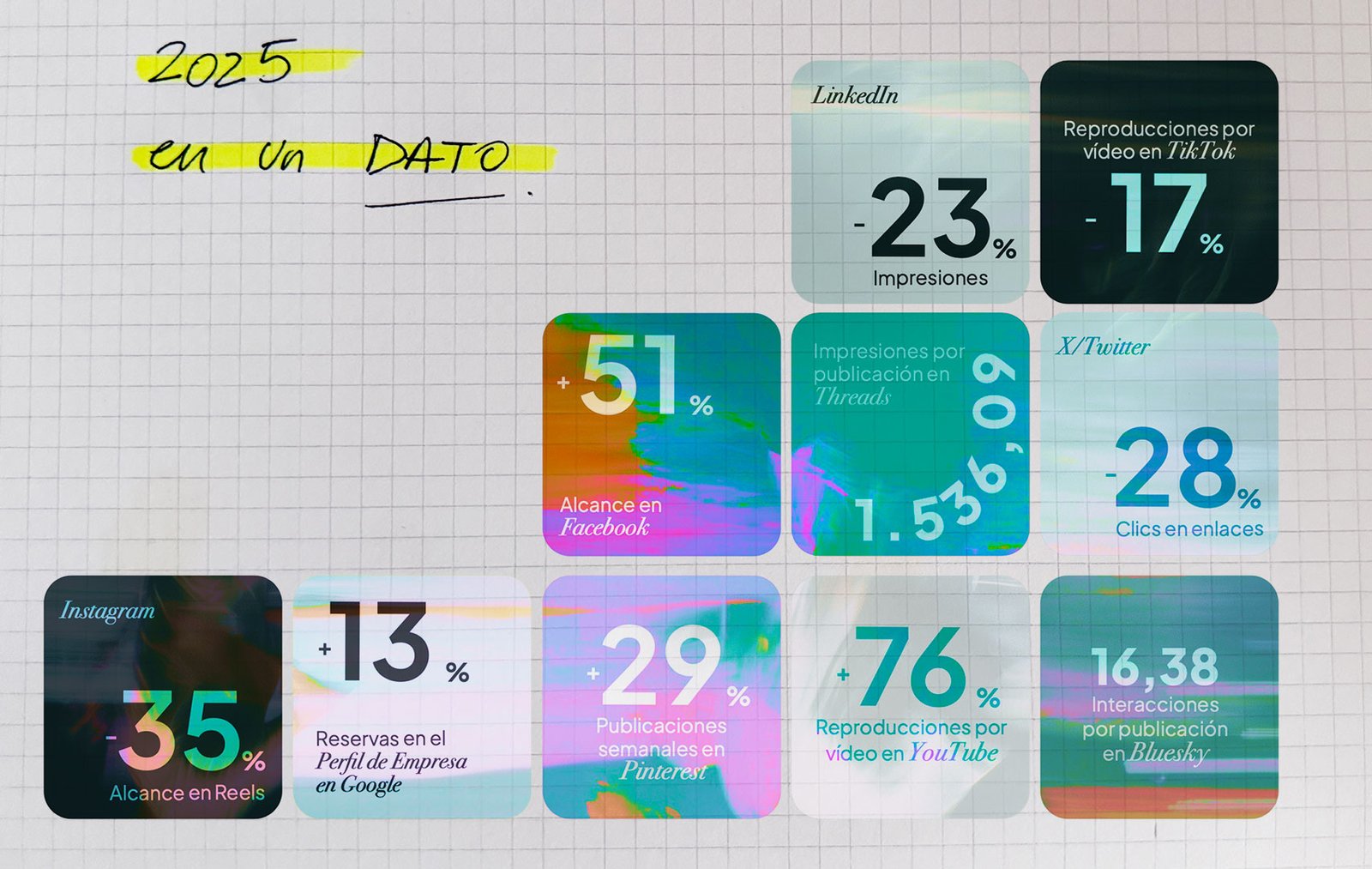
The data is conclusive: video is still the best-performing format in reach and interactions on most platforms. TikTok leads in visibility, YouTube is growing strongly in views and Facebook is enjoying an unexpected rebound thanks to short video.
But there is a frequent trap: more video does not guarantee better results. The study shows that, as the amount of published content grows, average metrics fall. The reason is simple: more competition for attention.
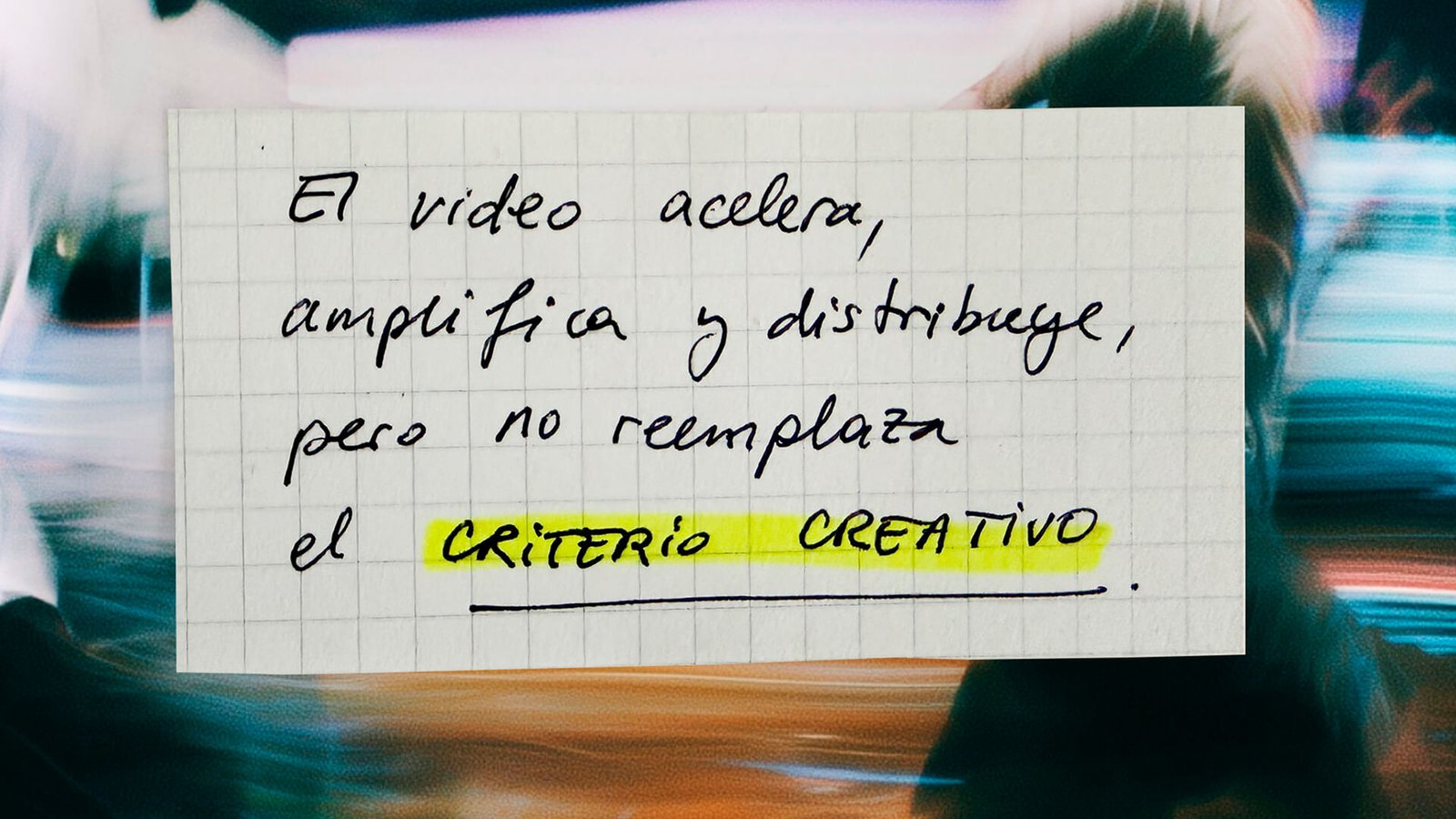
The difference is no longer in the format, but in the quality of the idea, the narrative approach and the ability to connect. Video accelerates, amplifies and distributes, but it does not replace creative judgment.
Instagram and LinkedIn: publishing more is no longer enough
Instagram keeps growing in users and content volume, but it shows clear signs of saturation: falling reach and interactions, especially on traditional posts. Standing out in the feed is harder and harder and demands precision.
Something similar is happening on LinkedIn. The network is growing, becoming more conversational and competitive, but the data indicates that average visibility per post is dropping. The key? Choosing the formats well: carousels and polls far outperform images and videos in interaction.
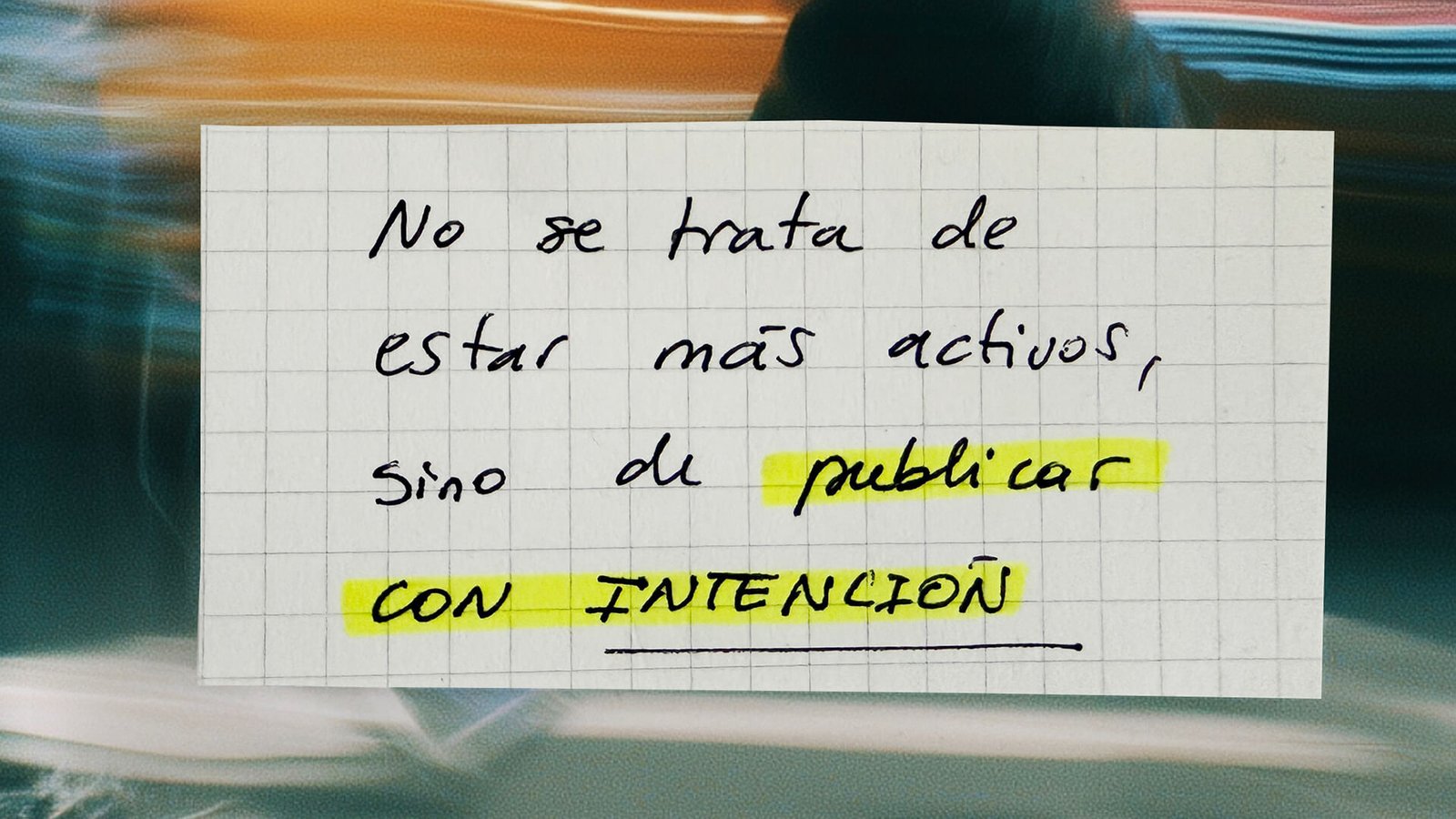
Strategic translation: it is not about being more active, but about publishing with intention.
Facebook, Pinterest and Google Business Profile: the value of the underestimated
One of the study’s big findings is the performance of platforms many consider “used up”.
-
Facebook grew more than 50% in reach and interactions year over year.
-
Pinterest is reducing impressions but increasing engagement: less volume, more affinity.
-
Google Business Profile is consolidating as a key asset for local visibility, bookings and concrete actions.
The brands that understand this stop thinking of social media as “trendy channels” and start using them as real business tools.
AI: competitive advantage or absolute saturation
The report introduces a critical point for 2026: the gap between those who use artificial intelligence with judgment and those who use it without it.
AI can speed up processes, help scale content and optimize workflows. But it can also fill feeds with generic content, automated comments and brands with no voice.
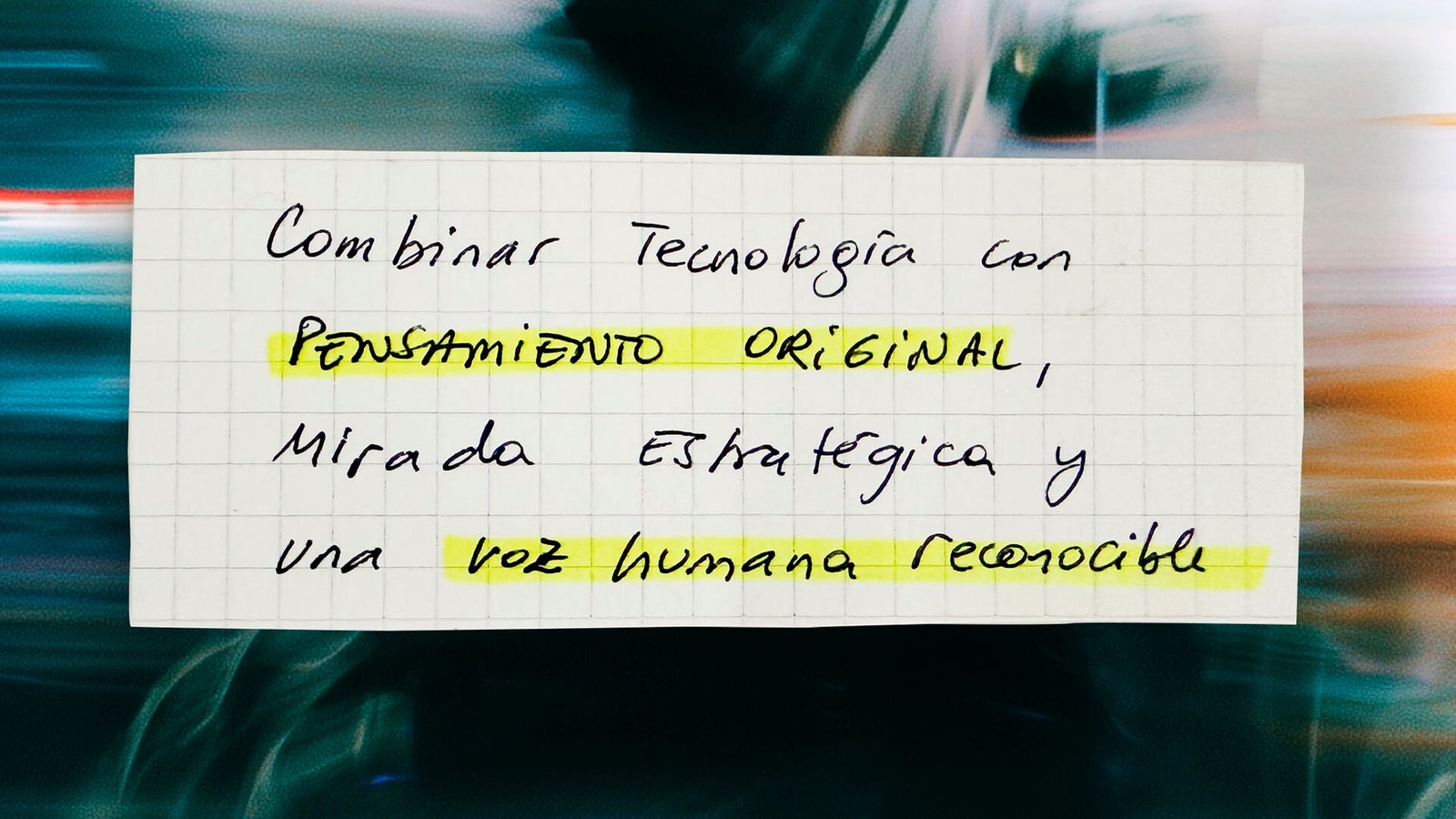
The brands that will stand out will not be the ones that automate the most, but the ones that combine technology with original thinking, a strategic outlook and a recognizable human voice.
The conclusion is clear
Social media is not dying. It is maturing.
And like every mature system, it rewards volume less and relevance more.
In an increasingly saturated context, the brands that win are the ones that understand their audience, choose the formats well and build content with meaning. It is not about reaching everyone, but about connecting with those who matter.
At Argency we believe the real differentiator is not in following trends, but in interpreting them with strategic judgment. And the data, once again, confirms we are on that path.