When trends are no longer enough: Amy Webb and the storms of the future
Amy Webb did not come to present a new edition of the Tech Trends Report. Webb came to declare its end.
There are talks at SXSW that you look forward to.
And there are talks that, the moment they begin, you immediately understand why.
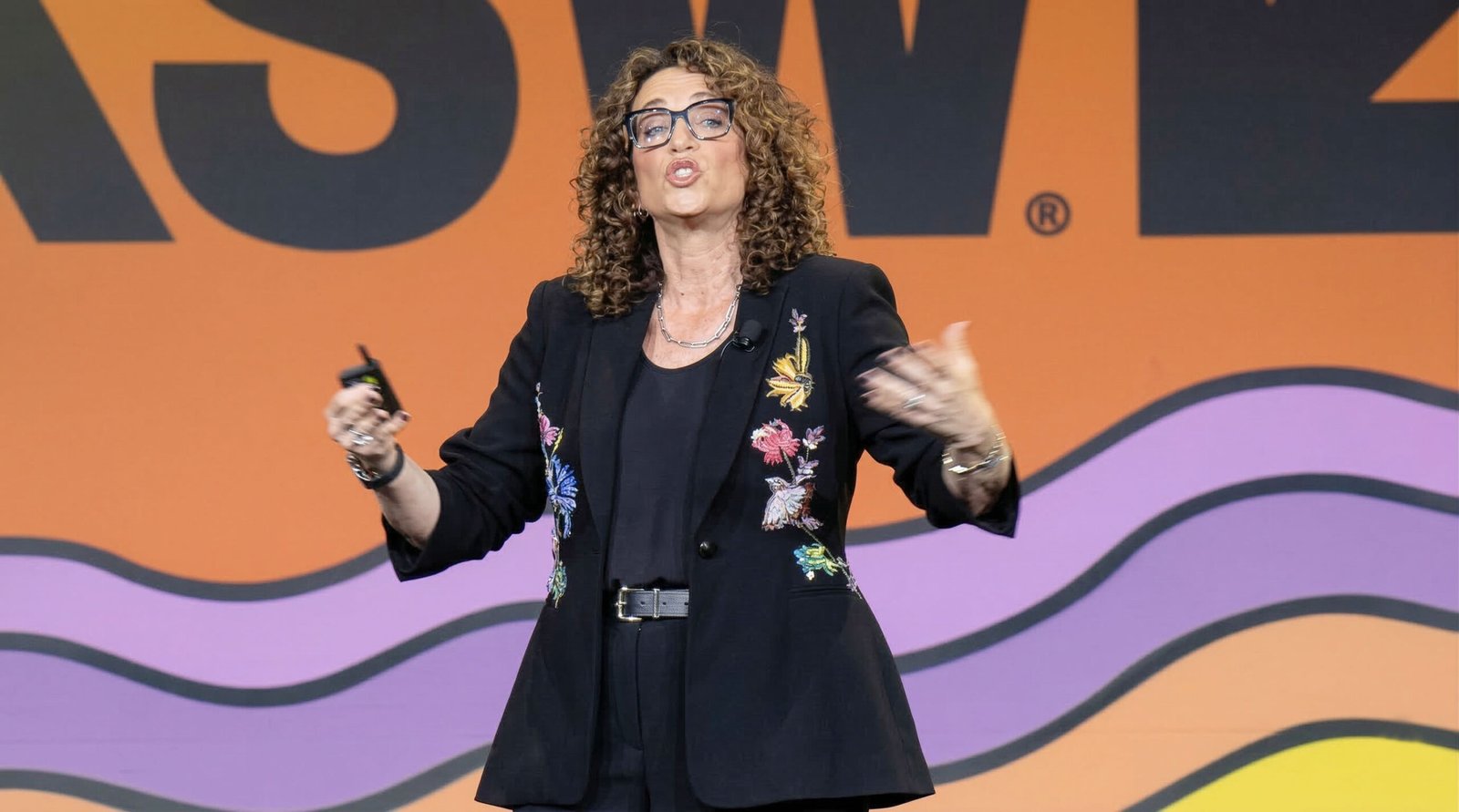
The presentation by Amy Webb, futurist and founder of the Future Today Institute, clearly belongs to that second group.
For nearly two decades, Webb was known for one of the most influential reports in the tech world: the famous Tech Trends Report. But at SXSW 2026 Webb did not come to present a new edition.
Webb came to declare its end.
A funeral… with humor
The scene had something of a performance, something of a manifesto and quite a bit of a sense of humor.
The talk opened with a self-parodying, melodic video that worked as a farewell to the historic trend reports. The report appeared caricatured as if it were a book with a life of its own, inserted into real photos showing different “stages” of its life: its birth, its growth, its fame, its travels and its talks around the world.
An ironic goodbye to a format that for years helped read change, but that —according to Webb— is no longer enough today.
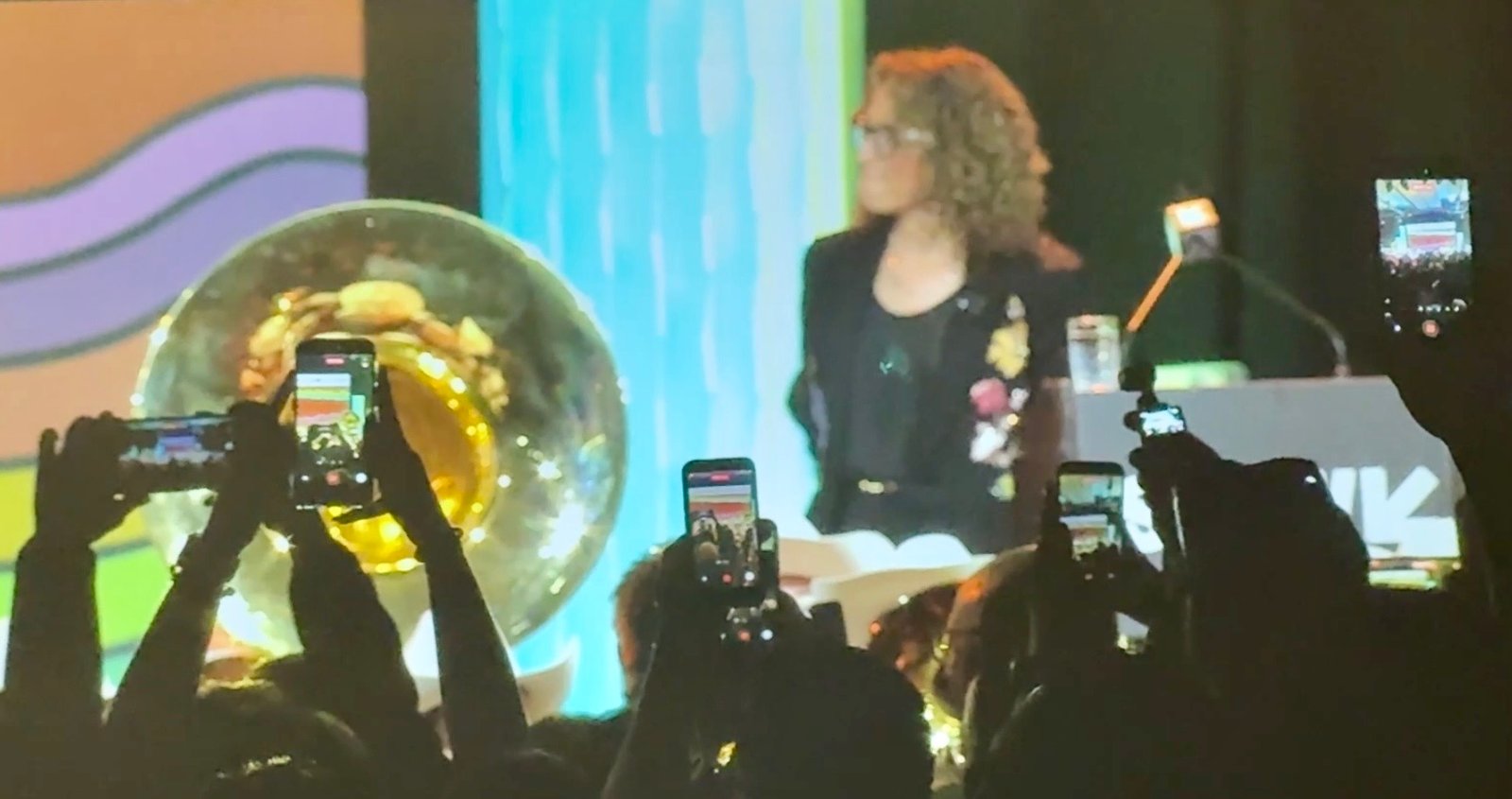
Then, facing a packed auditorium, Webb asked everyone in the room to stand up and turn on the cameras on their phones.
Right after, Webb physically tore up the pages of the report.
At that moment a Texan band walked in playing live music, turning the gesture into a small show.
The message was clear:
trends are no longer enough to understand the future.
From trends to convergences
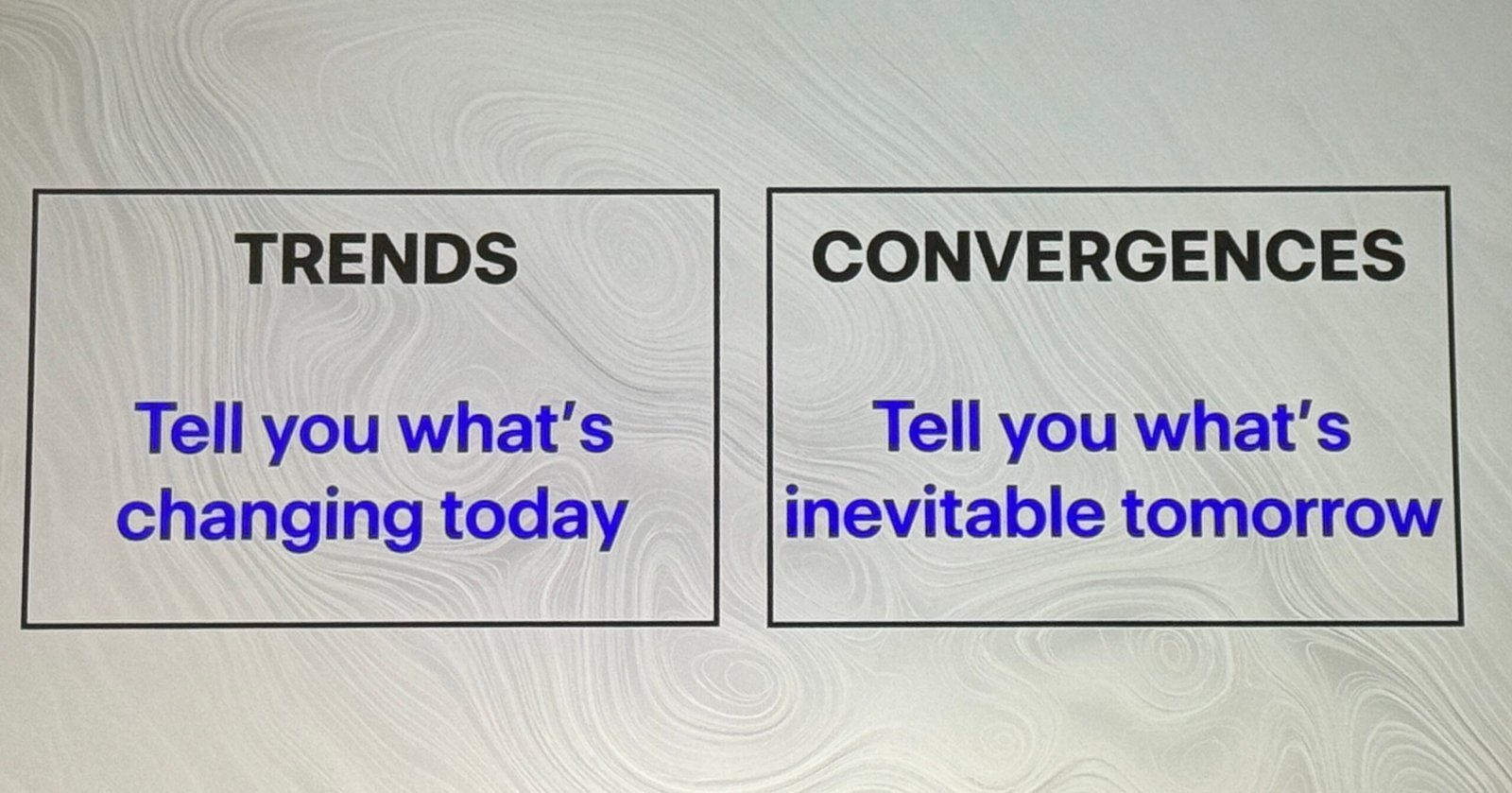
For years, many organizations built their strategic planning by looking at trends: gradual shifts in technology, consumption or culture.
The problem, according to Webb, is that the world no longer changes that way.
What we are seeing are convergences.
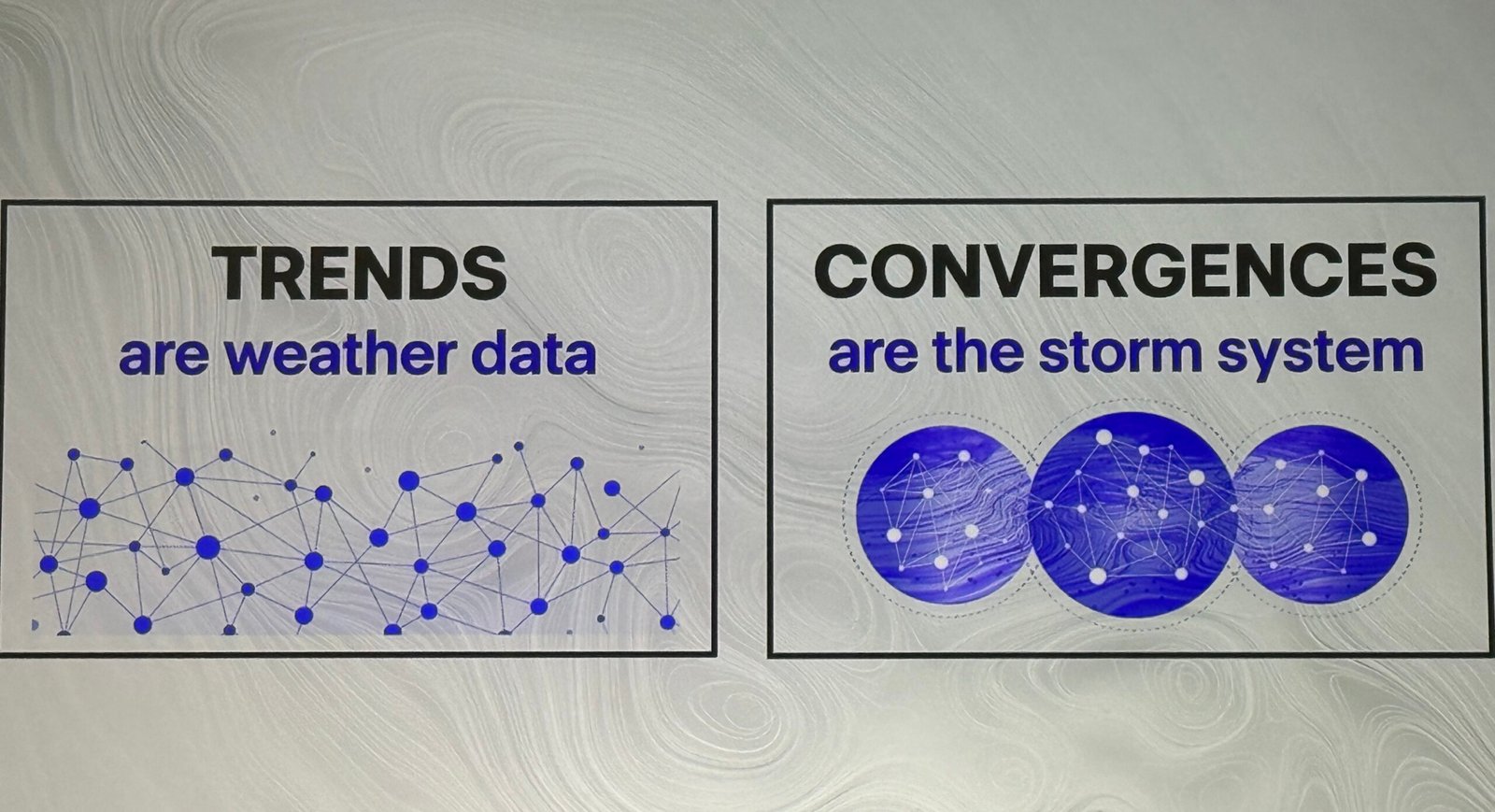
A convergence occurs when multiple forces —technological, economic, social and geopolitical— collide and generate a systemic transformation.
It is not a linear evolution.
It is a storm.
Unlike a trend, a convergence has four characteristics:
it happens at the system level, cutting across multiple industries
it becomes inevitable all of a sudden
it redistributes power and economic value
once it happens, it is hard to reverse
Looking at trends is watching the weather.
Understanding convergences is anticipating the storm.
And according to Webb, we are already inside several of them.
First convergence: the body as a platform
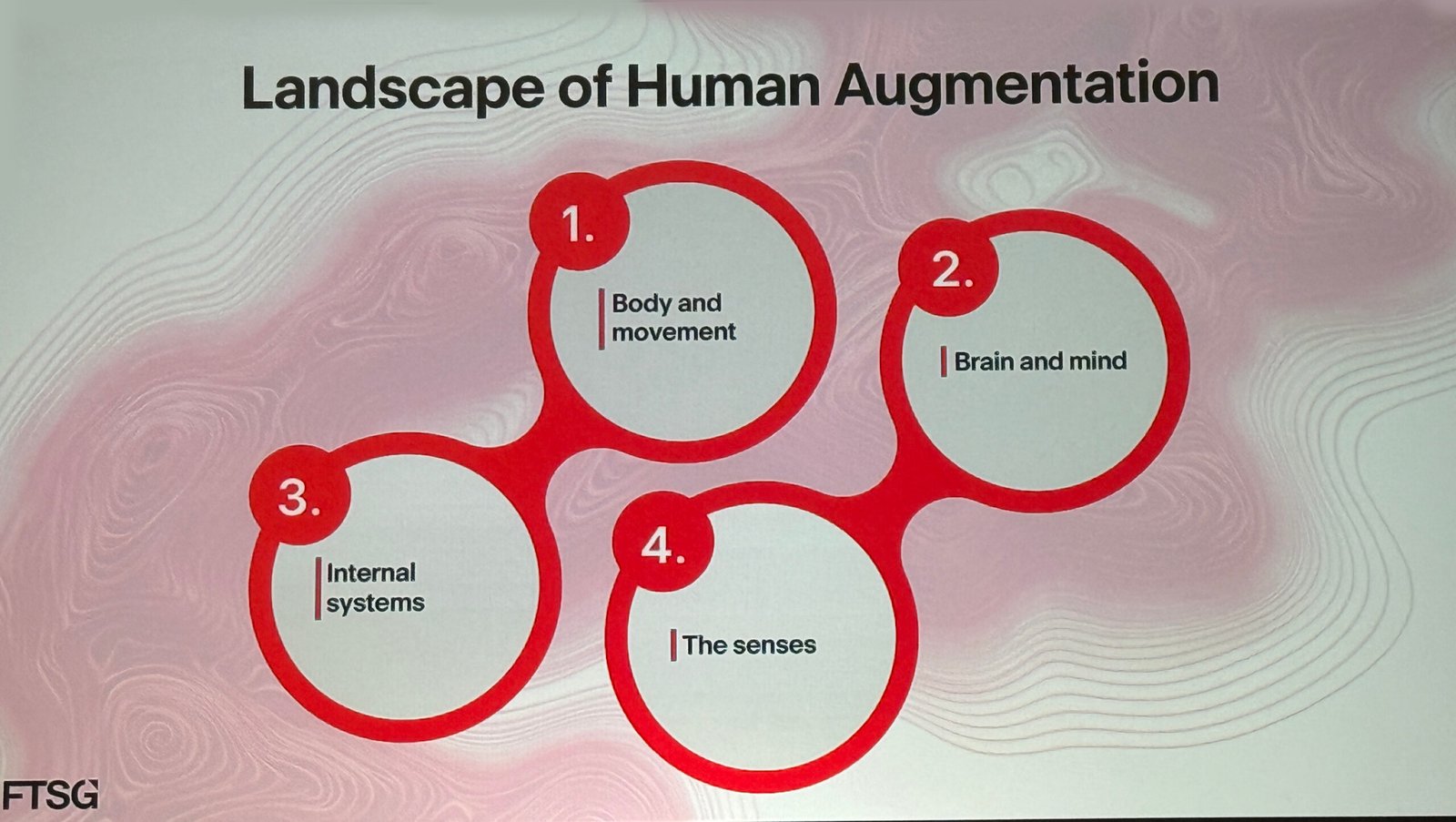
The first great transformation happens in the human body itself.
Technology is ceasing to be something we use and becoming something we are.
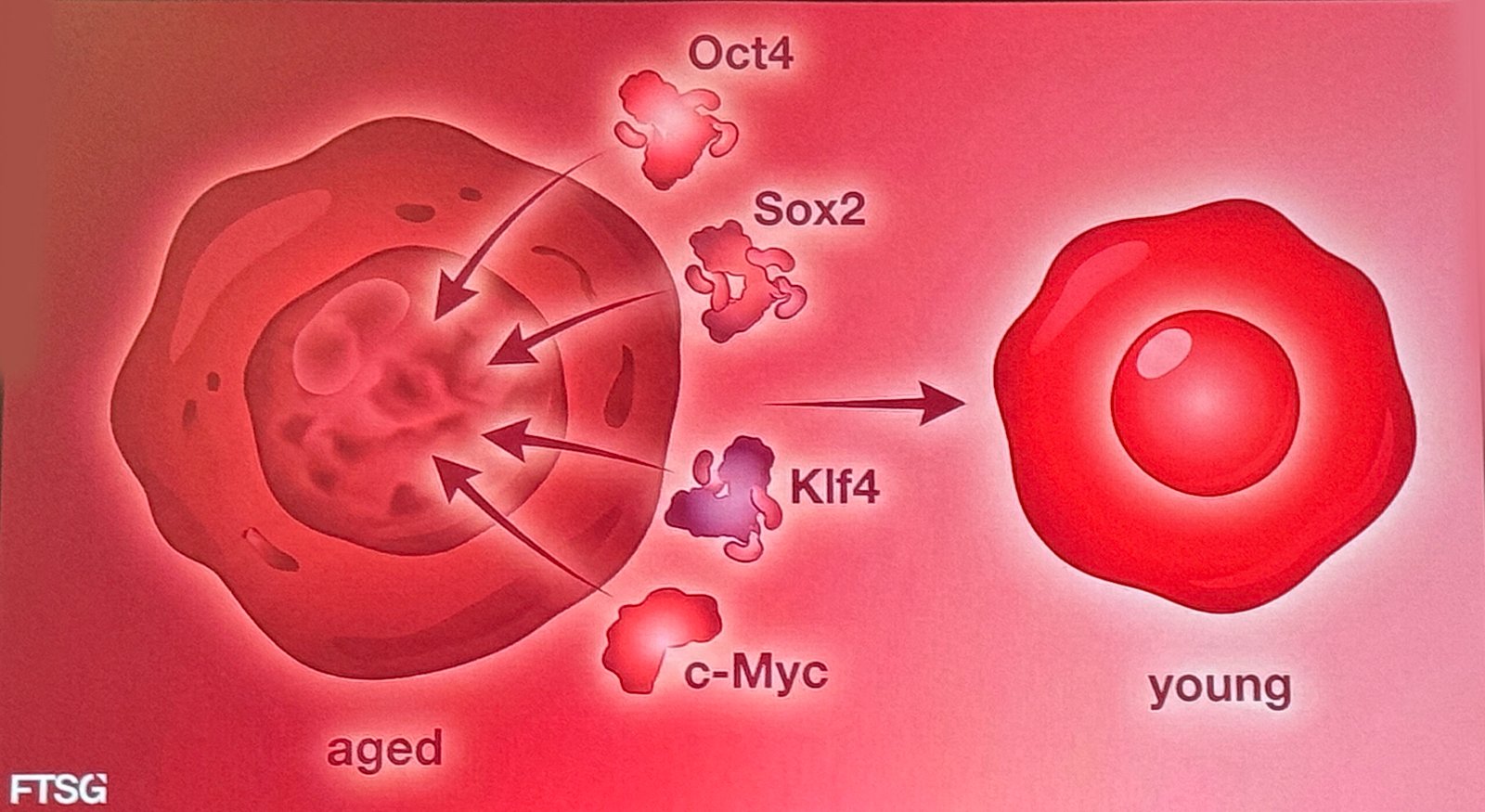
Exoskeletons that amplify mobility, brain-computer interfaces that allow devices to be controlled with thought, gene editing and cellular reprogramming are only some of the advances beginning to redefine physical and cognitive limits.
In this context, Webb puts forward a provocative idea:
if a person combines physical optimization technologies, AI-assisted rest and layers of augmented reality to increase their cognitive efficiency, they could end up being more than twice as effective as an average person.
The question that arises is not technological.
It is social.
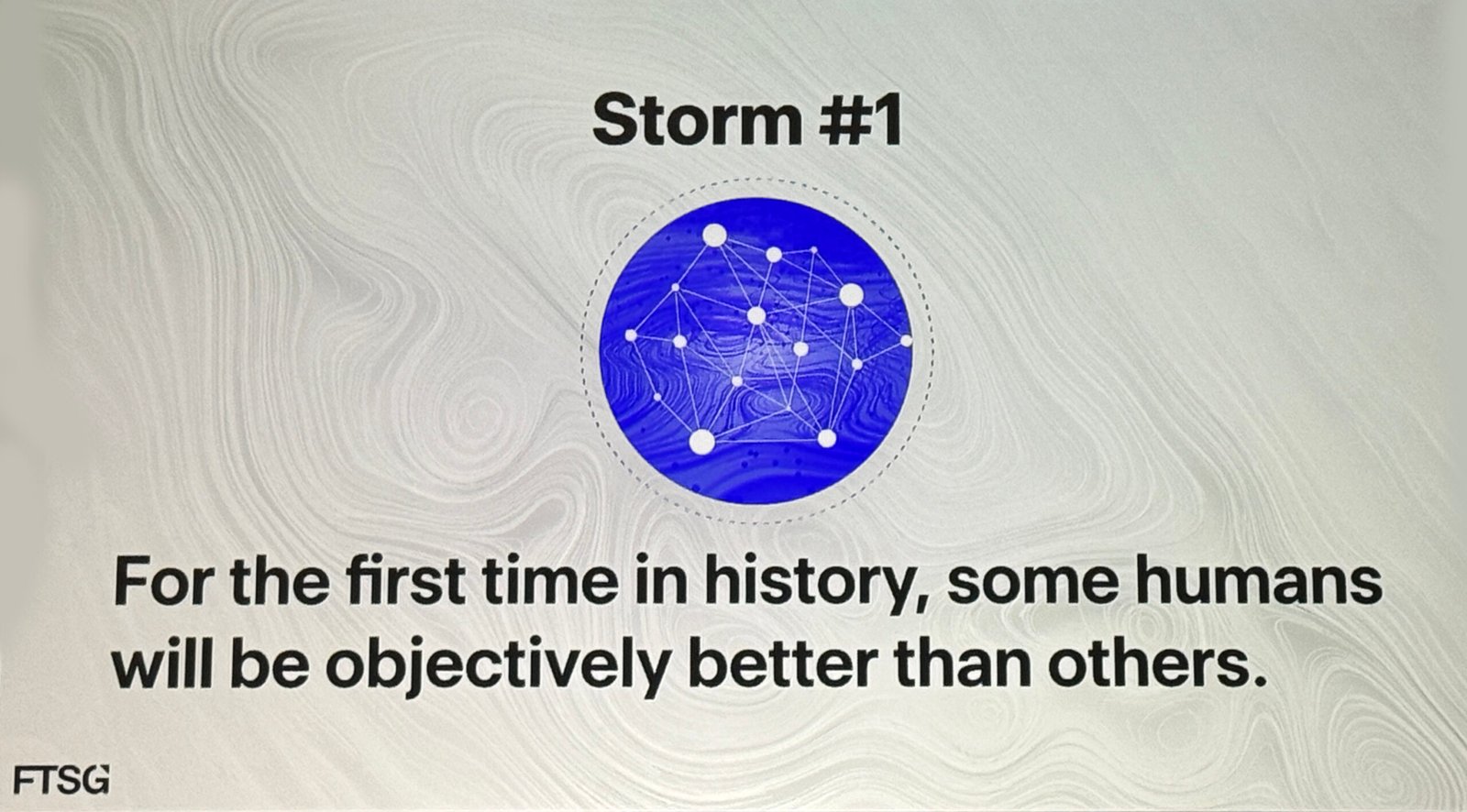
For the first time in history, inequality could be not only economic or educational, but biological.
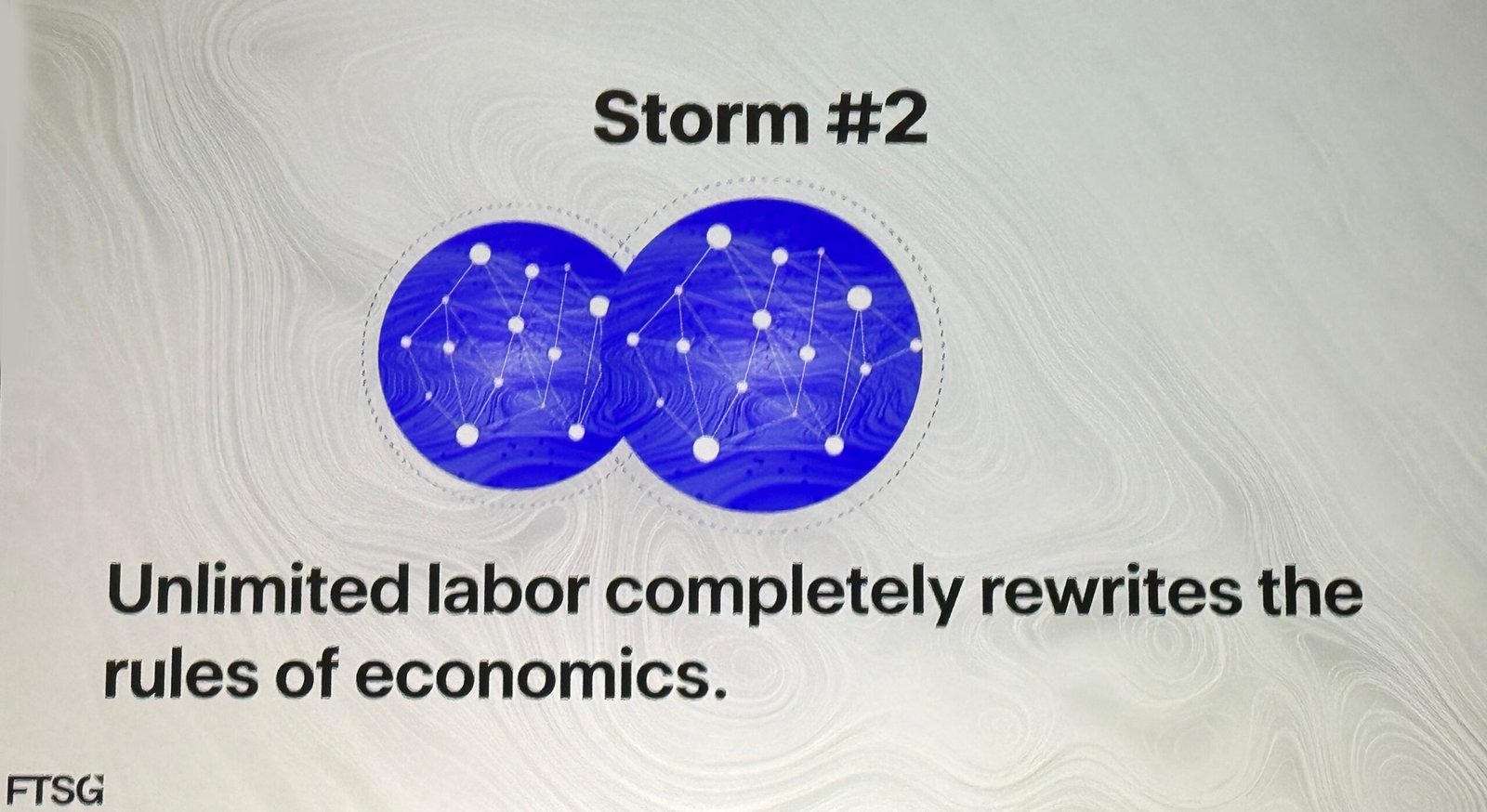
Second convergence: unlimited labor
The second convergence touches the heart of the economic system.
For centuries, growth was tied to the availability of human labor.
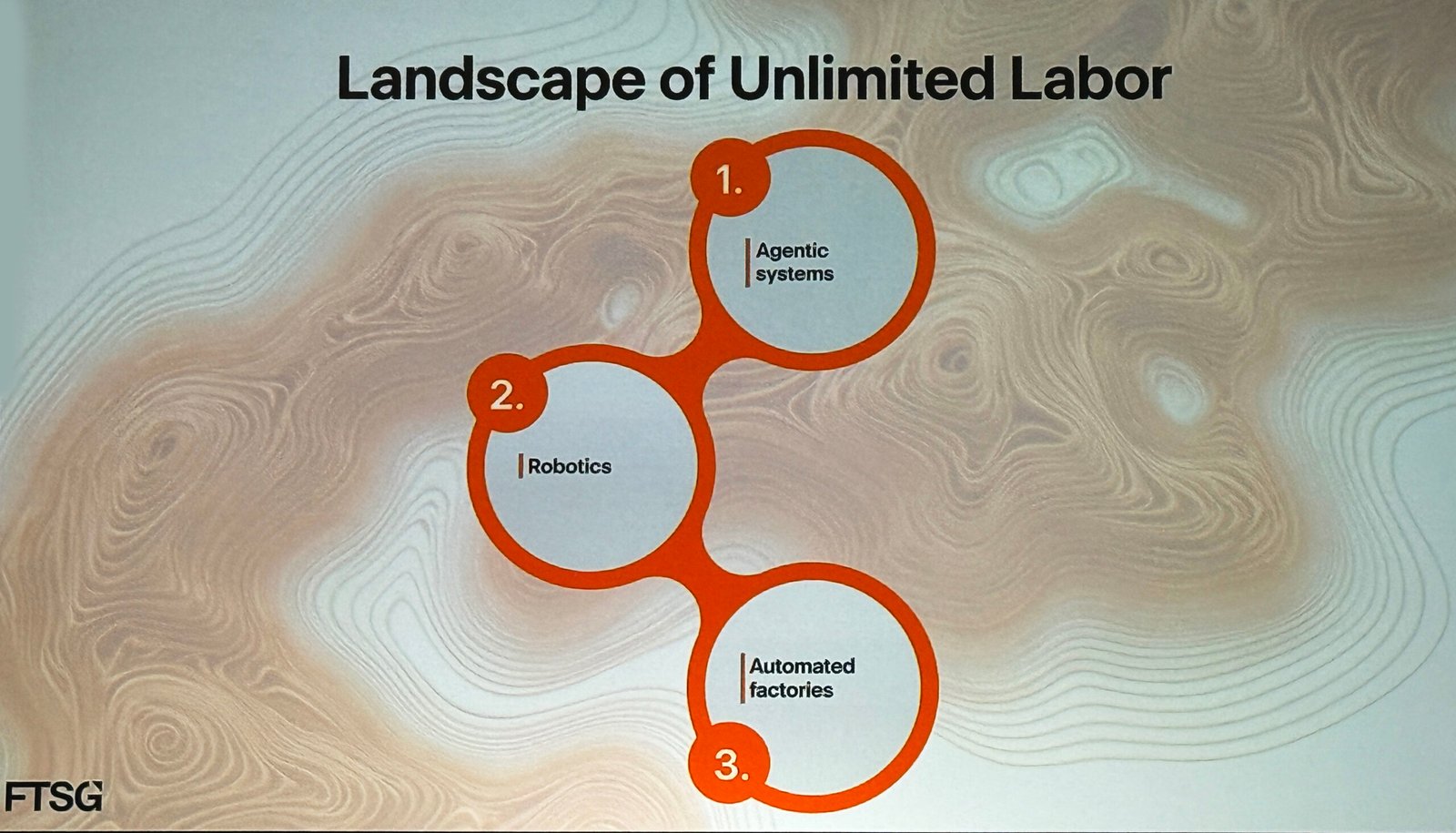
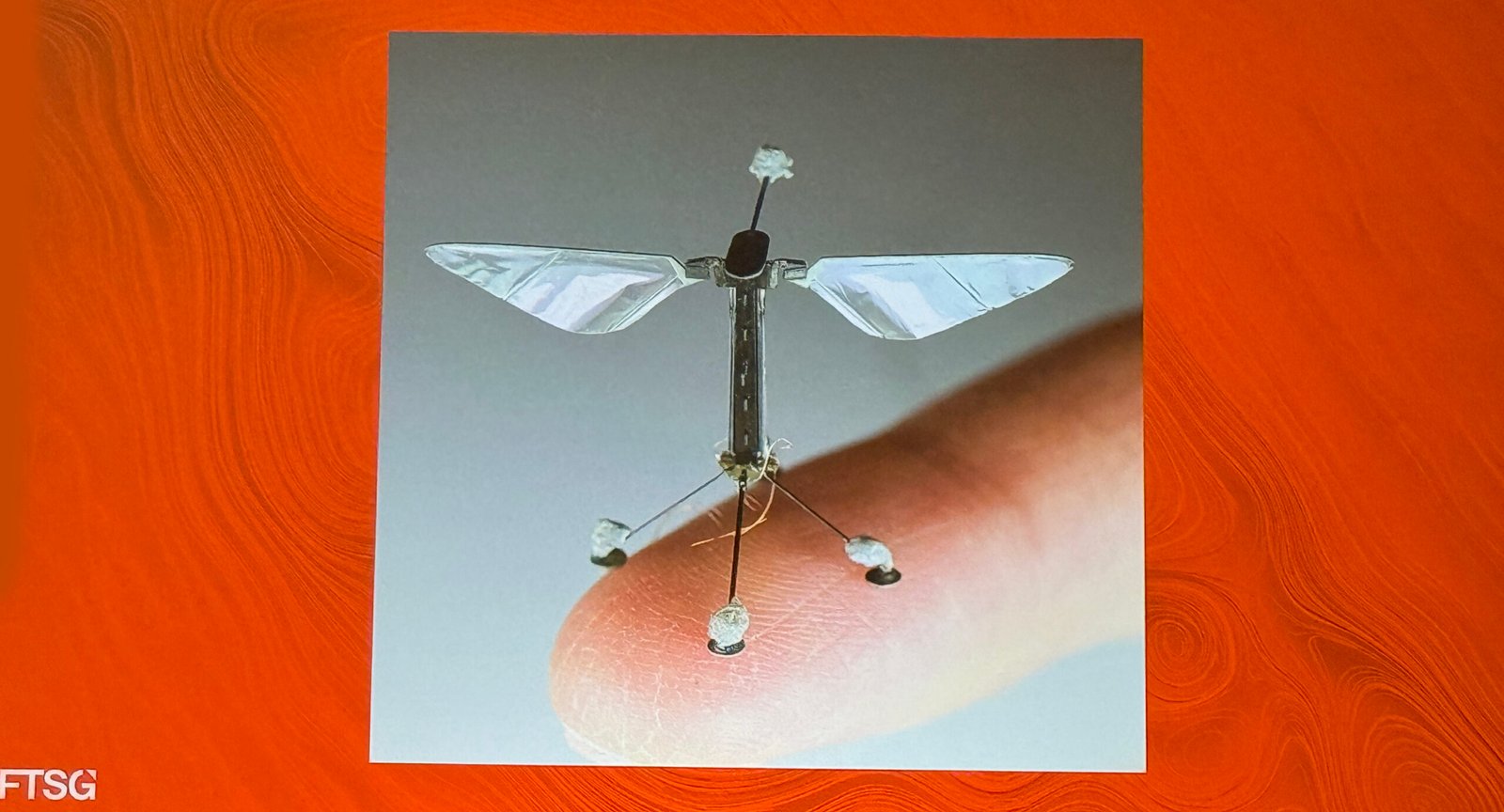
But the convergence of artificial intelligence, advanced robotics and industrial automation is starting to break that link.
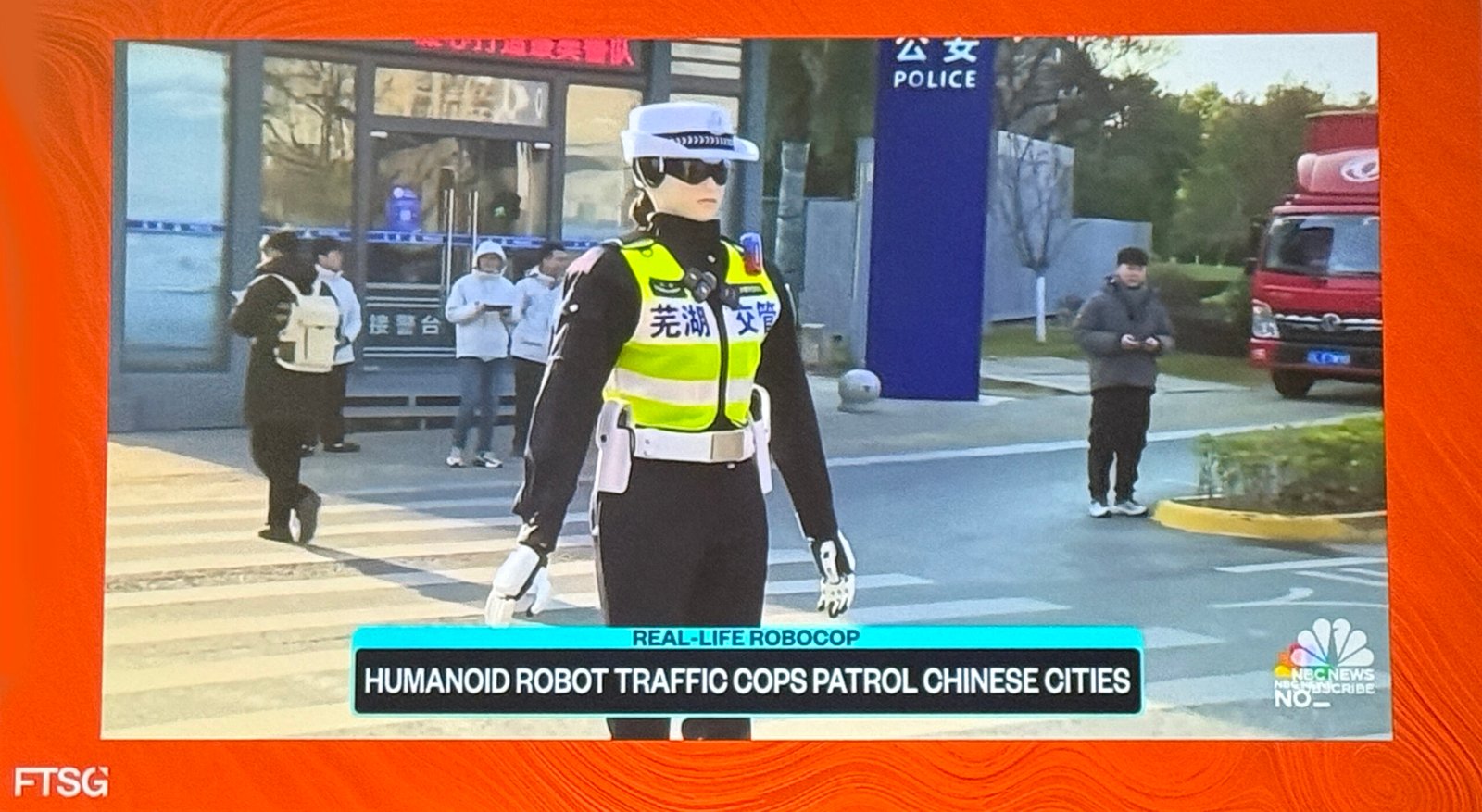
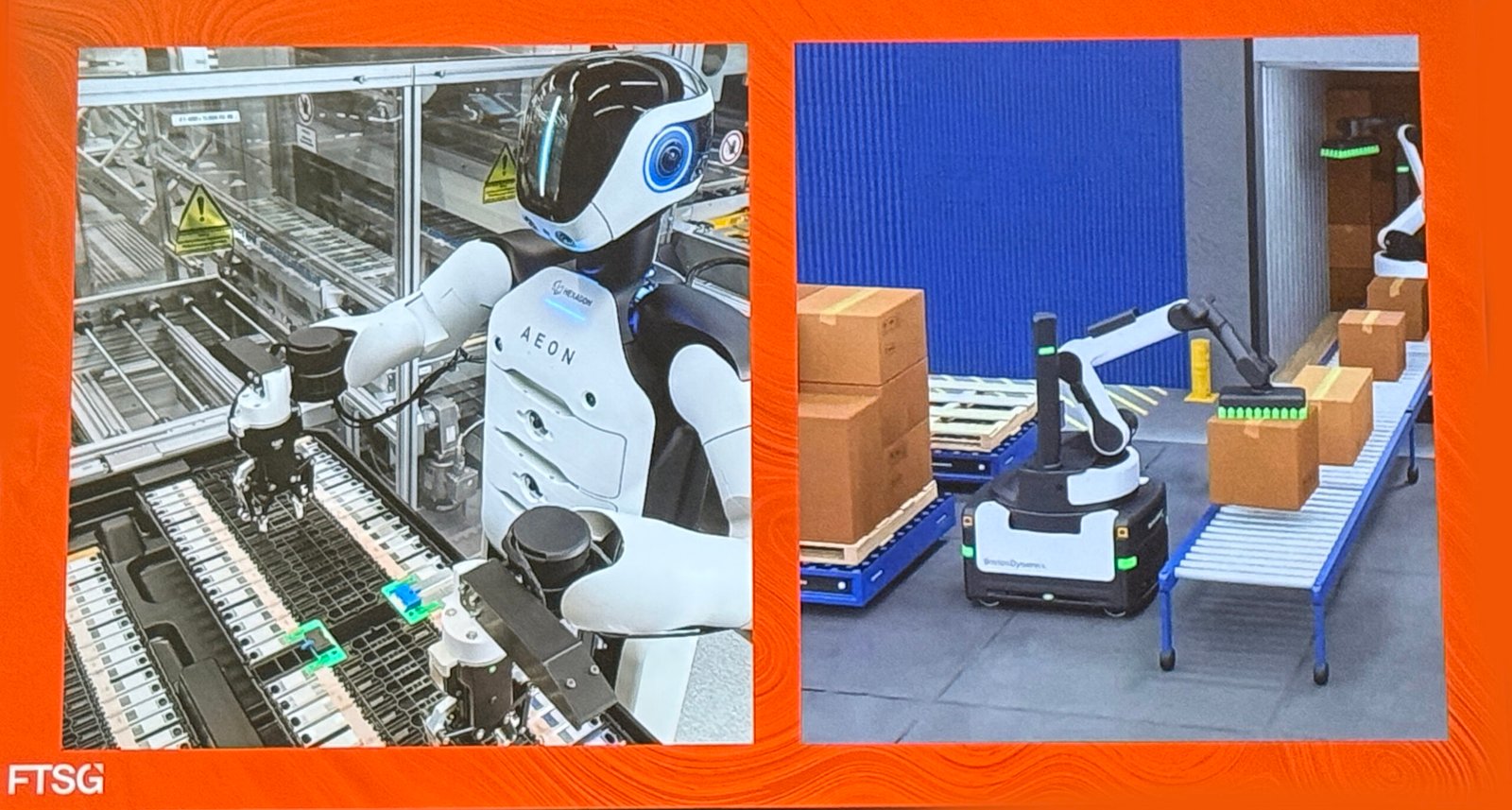
Webb describes this phenomenon as “lights-out” industrialism: factories designed from scratch to operate without human intervention, literally in the dark because there are no longer people who need light to work.
Robots that can move hundreds of boxes per hour, artificial intelligence agents that write and fix code millions of times a day, or digital avatars that sell products live 24 hours without rest are examples of a productive system that no longer needs human limits.
This introduces an unprecedented paradox:
an economy that can grow without increasing employment.
In other words, GDP can rise while human labor stops being the main engine of that growth.
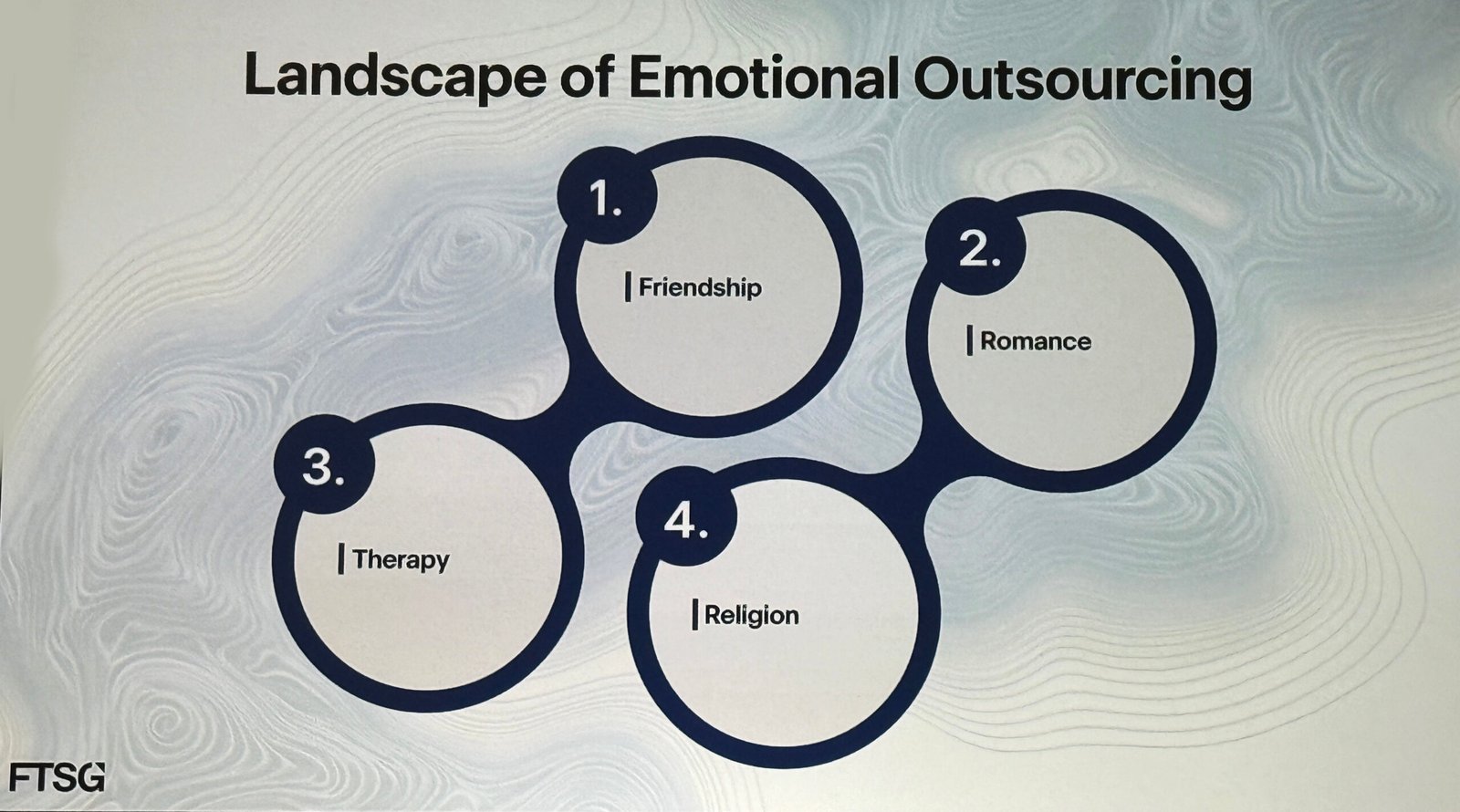
Third convergence: the outsourcing of emotions
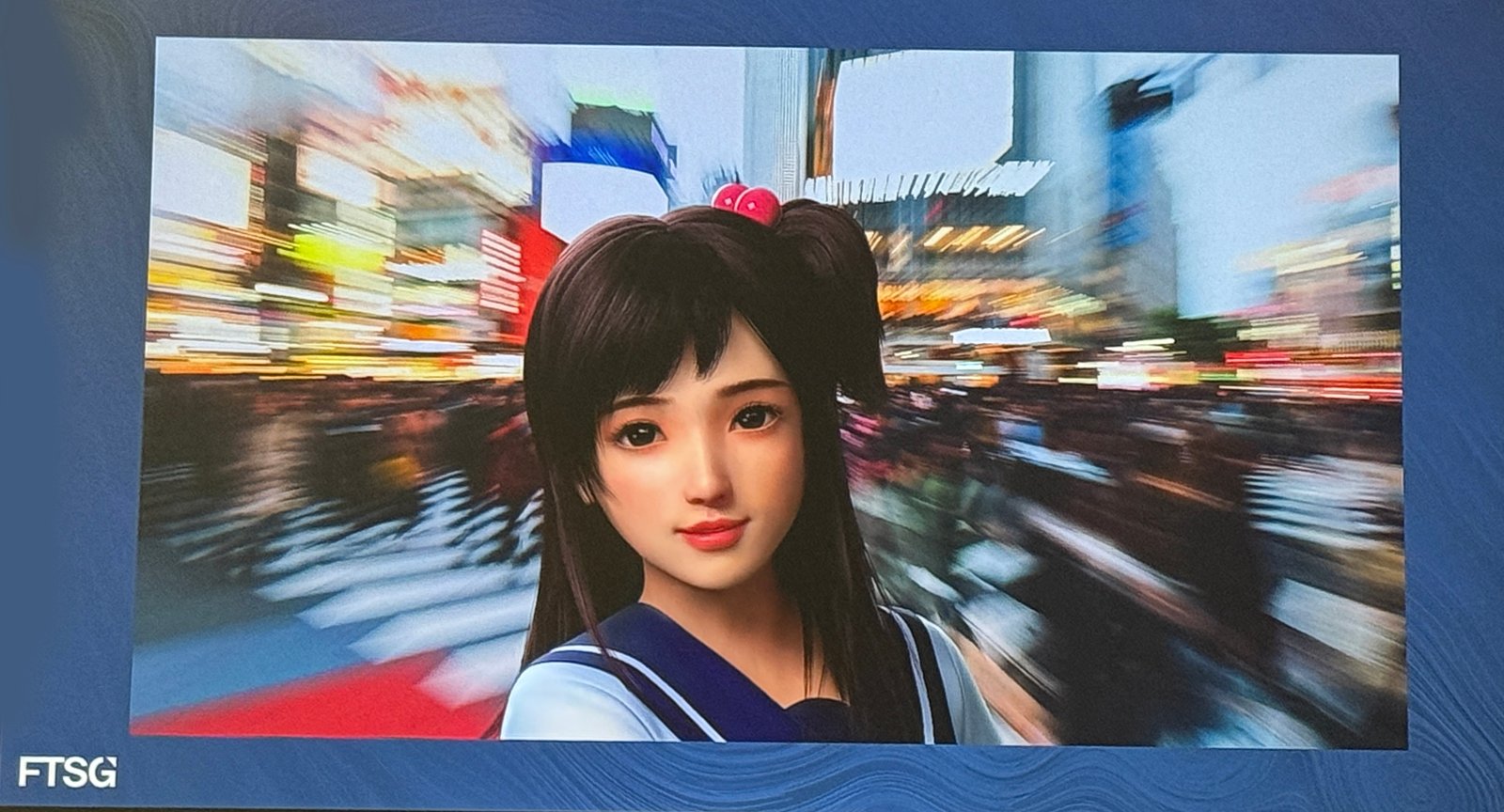
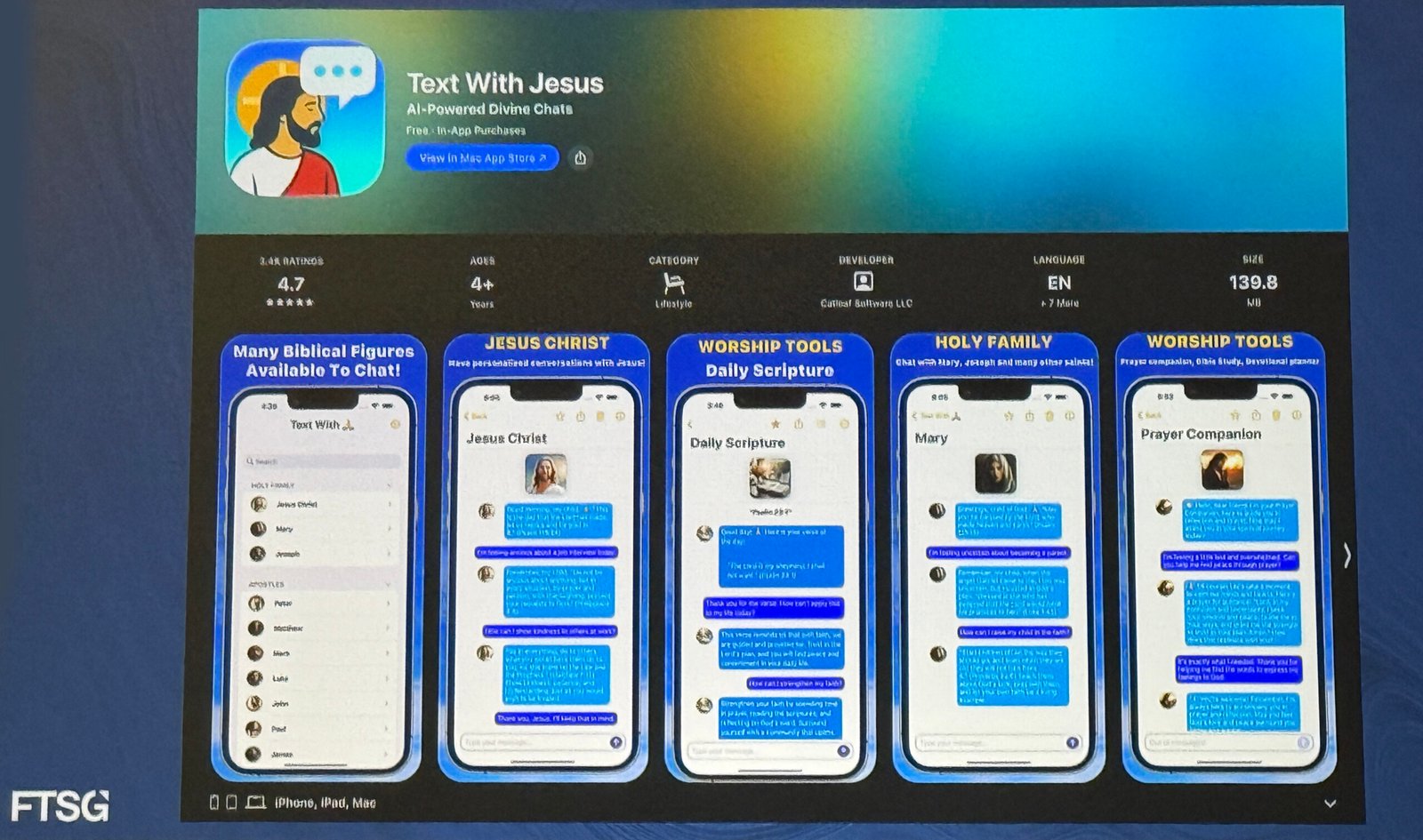
While machines take on more and more productive tasks, they also begin to occupy an unexpected space: our emotions.
Today millions of people already use artificial intelligence models to receive emotional support, talk or look for company.
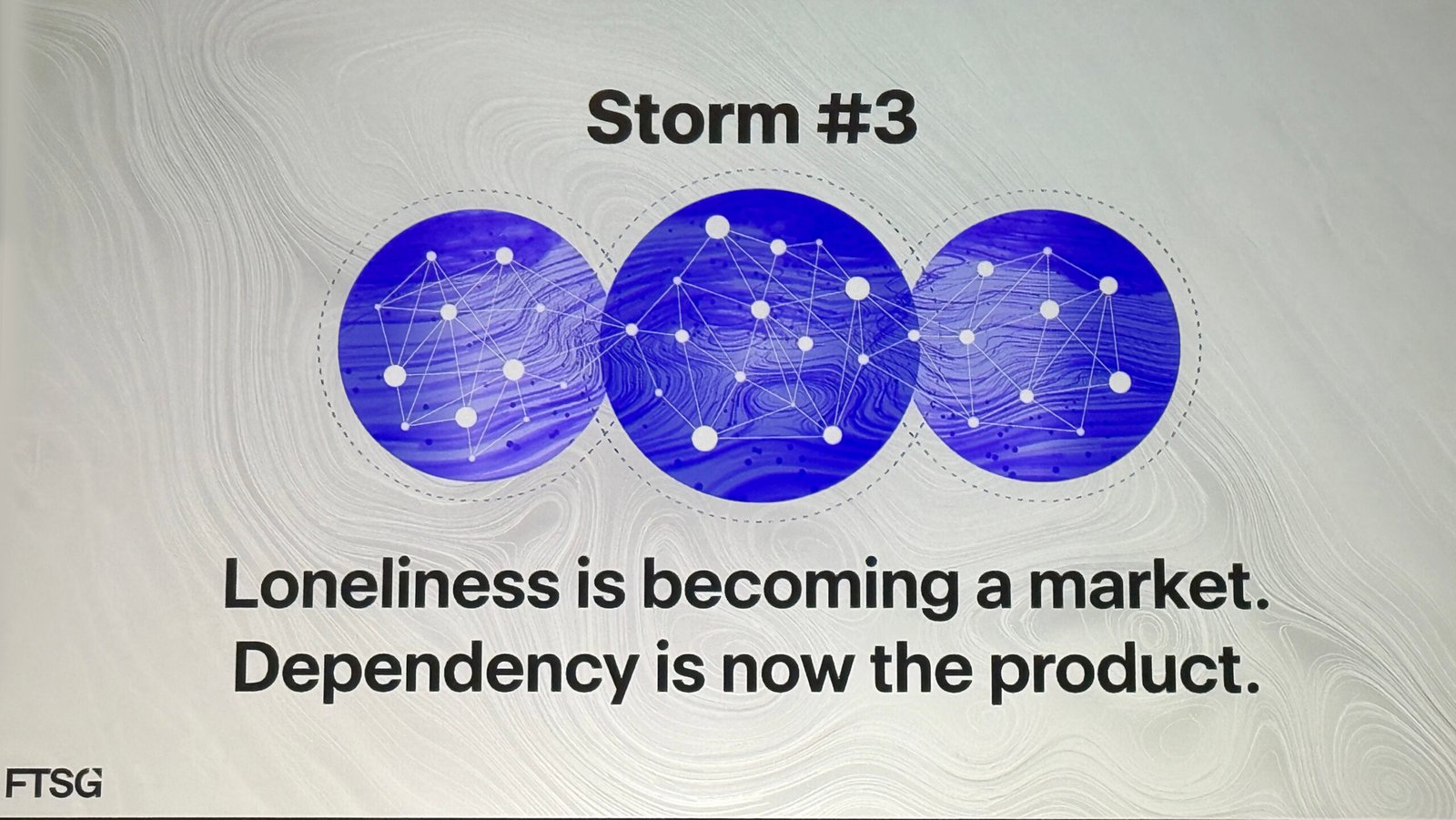
Loneliness, in this context, becomes a new market.
Webb describes this process as emotional outsourcing, a cycle that usually follows three stages:
substitution of human support by digital systems
emotional dependence on those platforms
control, when emotional stability comes to depend on corporate infrastructures
The question is not only technological.
It is deeply human.
What happens when we delegate our emotional relationships to systems designed to maximize engagement?
Two possible futures
Faced with these convergences, Webb lays out two scenarios for the next decade.
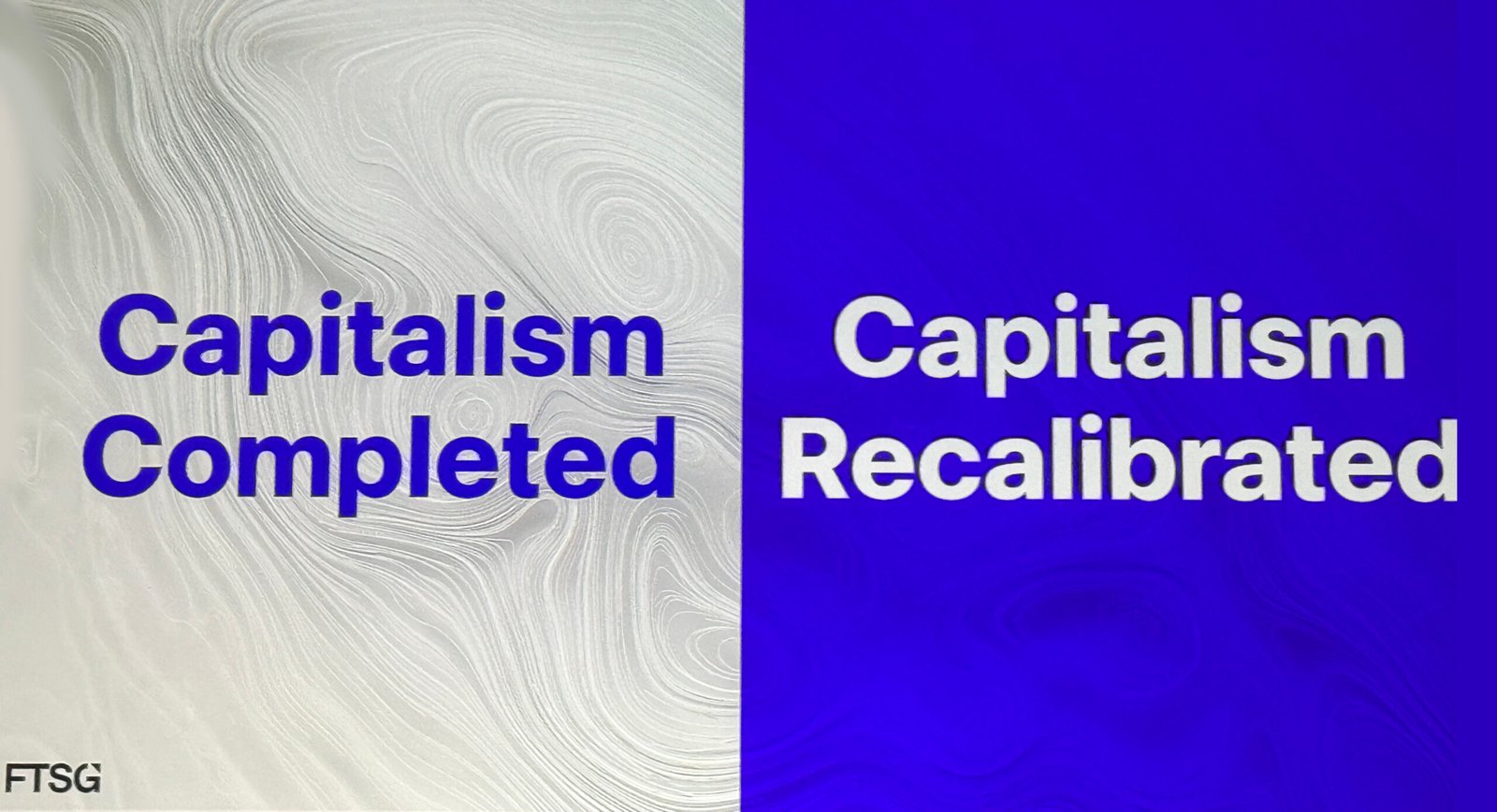
The first is what Webb calls completed capitalism: a world where companies end up selling people their own humanity back. Subscriptions to improve the body, optimize rest, increase productivity or even receive emotional validation.
The second scenario proposes an alternative model called Contribution Credit, where part of the value generated by automation is redistributed to the people whose knowledge, data and historical work fed those systems.
It would not be a subsidy or a universal basic income, but a form of participation in the value created by artificial intelligence.
A reflection for those who create the future
Beyond the technologies, the most interesting part of the talk was the closing reflection.
The future is not something that simply happens.
It is something that gets built.
The question Webb left hanging in the room was uncomfortable and powerful at the same time:
What habits do we keep out of sheer comfort, even though the world that sustained them has already disappeared?
At a festival like SXSW —where technology, creativity, culture and business constantly mix— the provocation is especially relevant.
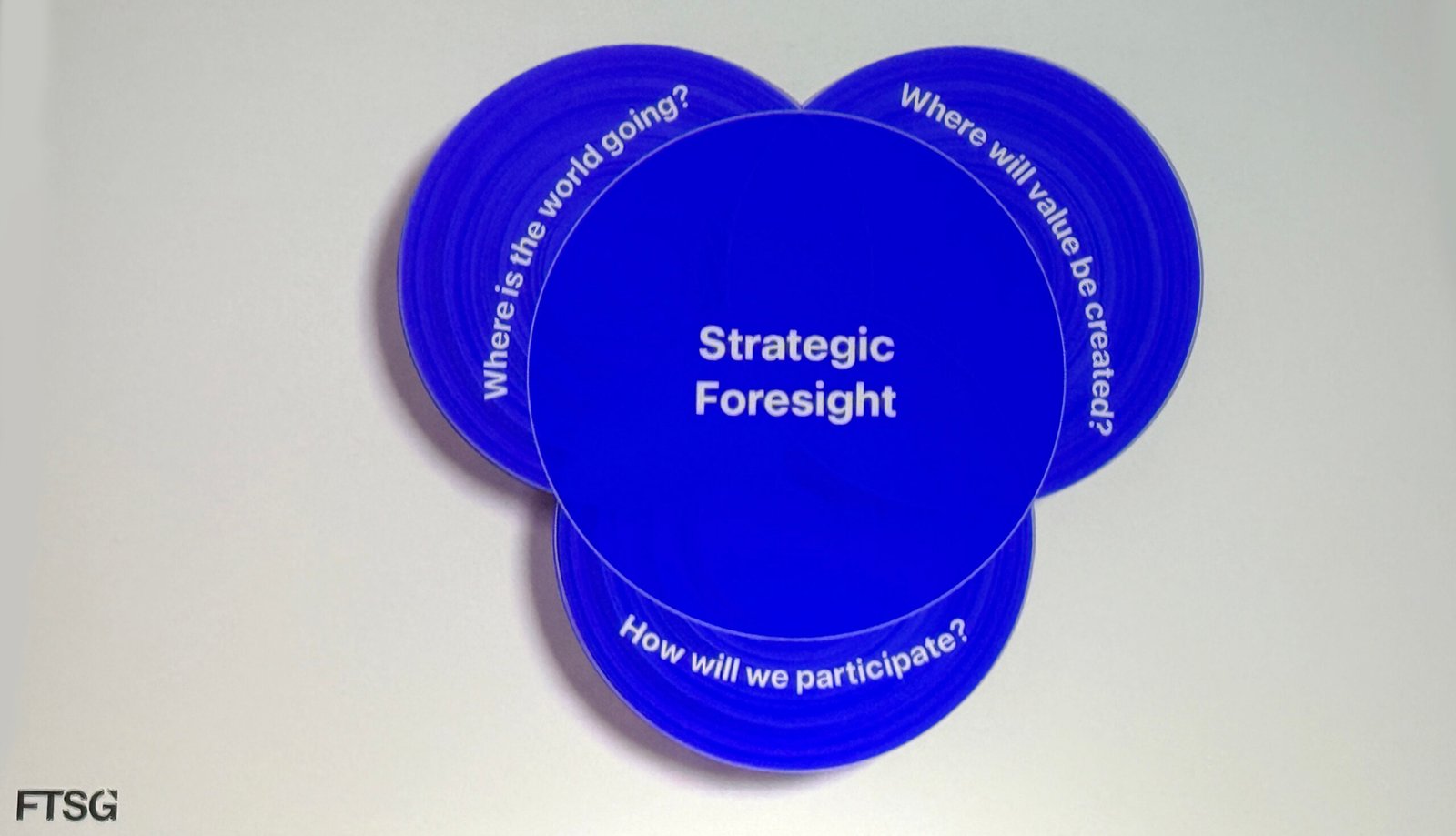
Because understanding the future is no longer about identifying trends.
It is about learning to read convergences.
And those storms are already starting.
From Austin, Alejandra Muscolini and Gustavo Casaño (Argency) walk through SXSW 2026 sharing some of the ideas, conversations and signals that help think about the future of creativity, technology and brands.